Wild Interiors: Beautiful Plants in Beautiful Spaces
by Hilton Carter
A plant-styling book about designing rooms around plants, including big statement plants.
View on Amazon
Shop by need
By the Plantshop.com Editorial Team · Updated · How we research · Report an error
Plants that cope with fluorescent light and long weekends.
Offices often have steady temperatures but weak light and weekend gaps in watering. These plants handle both.
University of Minnesota Extension notes that low-light plants suit a north window or a fairly dark corner (bright enough to read a newspaper), and that medium-light plants grow well where fluorescent lights are on all day, as in many office buildings. Its low-light list includes Chinese evergreen, cast iron plant, parlor palm, dracaena, pothos, philodendron, snake plant, peace lily and ZZ plant.
Plants in lower light use less water, so feel the soil before watering rather than following a fixed schedule (UMN Extension). The most forgiving picks for a desk that is empty over the weekend are the ones that dry out slowly: snake plant (Only when soil is completely dry, every 2-6 weeks), ZZ plant (When soil is fully dry, every 2-4 weeks) and cast iron plant (When the top 2 in is dry). Thirstier plants such as peace lily are better where someone is in every day.
Buying for a whole office or several sites? See plants for business for bulk and recurring orders
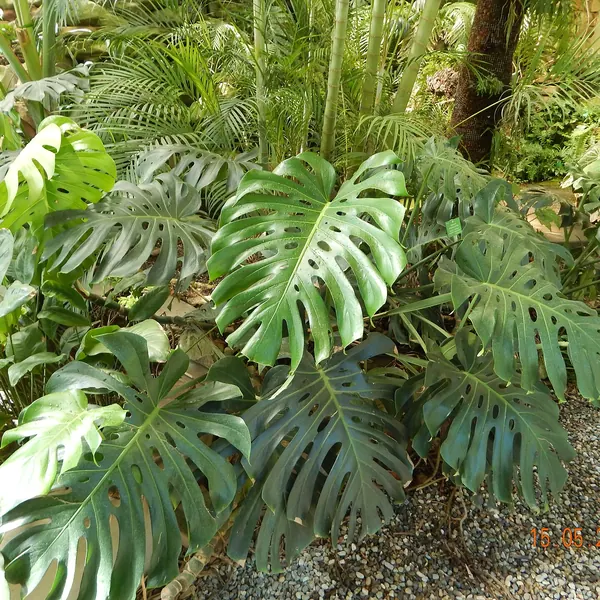 Photo: Princesleaf / CC BY-SA 3.0, Wikimedia CommonsMonsteraMonstera deliciosaBright indirect lightNot pet-safeEasy
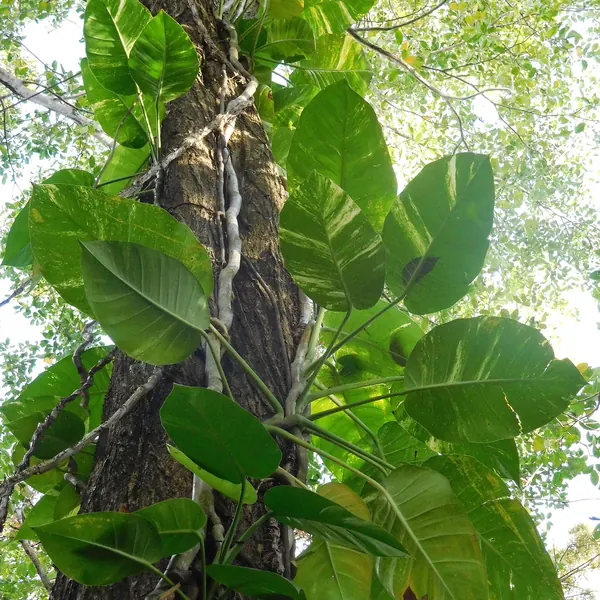 Photo: Aaaatu / CC BY-SA 4.0, Wikimedia CommonsPothosEpipremnum aureumMedium lightNot pet-safeEasy
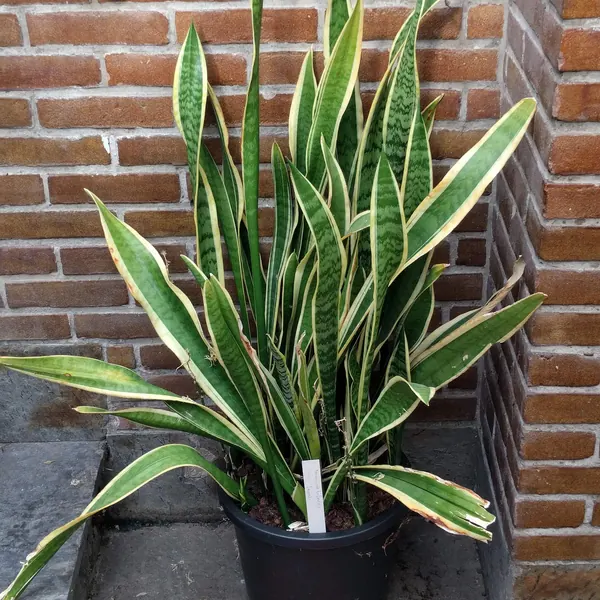 Photo: DenesFeri / CC BY-SA 4.0, Wikimedia CommonsSnake PlantDracaena trifasciataLow lightNot pet-safeEasy
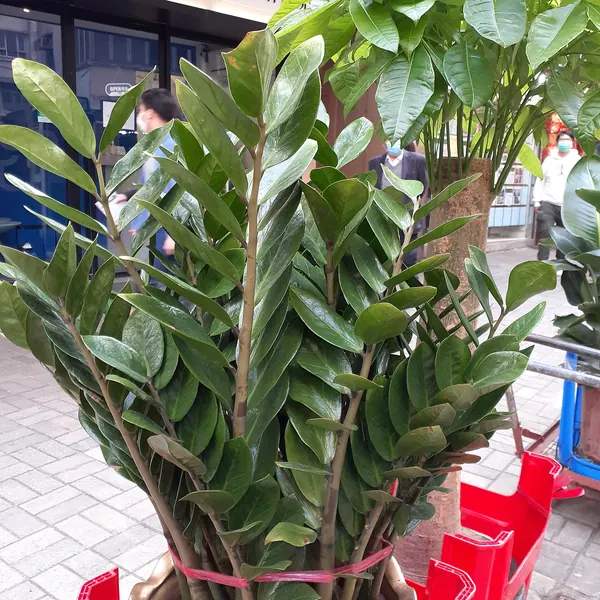 Photo: OSMM109 / CC BY-SA 4.0, Wikimedia CommonsZZ PlantZamioculcas zamiifoliaLow lightNot pet-safeEasy
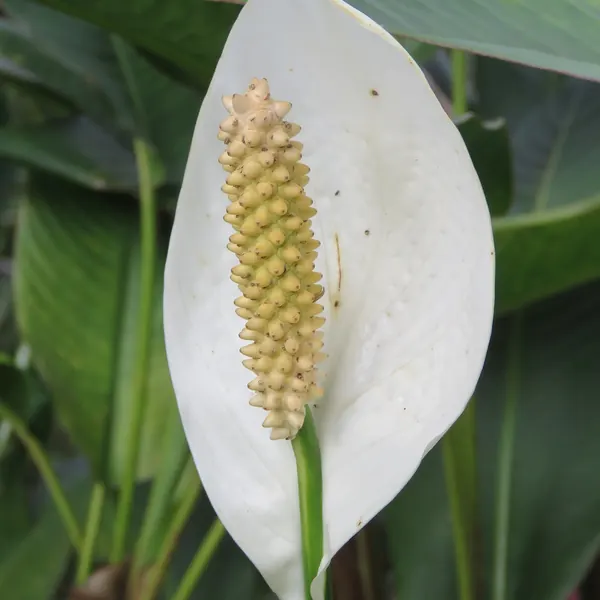 Photo: Vinayaraj / CC BY-SA 4.0, Wikimedia CommonsPeace LilySpathiphyllumMedium lightNot pet-safeEasy
 Heartleaf PhilodendronPhilodendron hederaceumMedium lightNot pet-safeEasy
 Philodendron BirkinPhilodendron 'Birkin'Bright indirect lightNot pet-safeModerate
 Rubber PlantFicus elasticaBright indirect lightNot pet-safeEasy
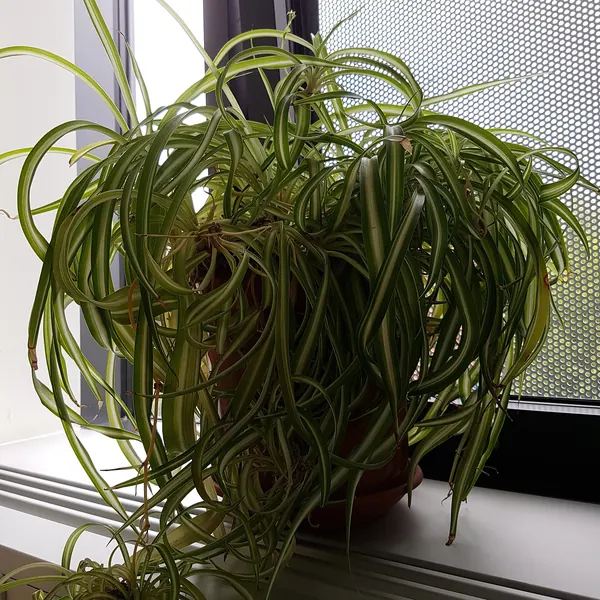 Photo: Sebastian Martin Dicke / CC BY-SA 4.0, Wikimedia CommonsSpider PlantChlorophytum comosumMedium lightPet-safeEasy
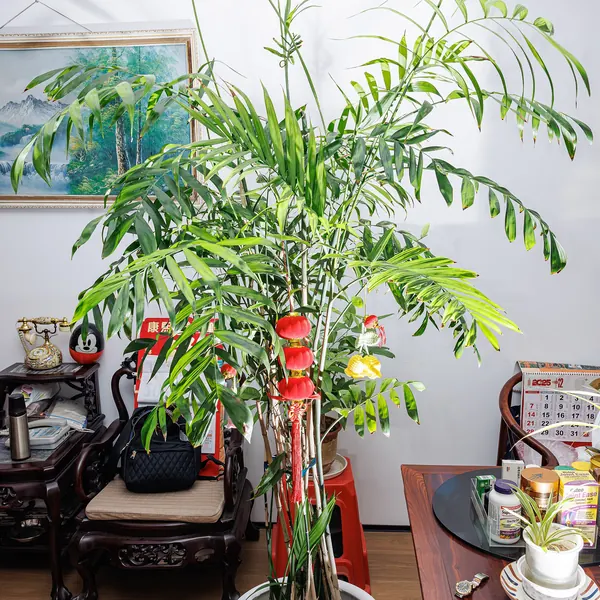 Photo: ImanFakhri / CC BY-SA 4.0, Wikimedia CommonsParlor PalmChamaedorea elegansLow lightPet-safeEasy
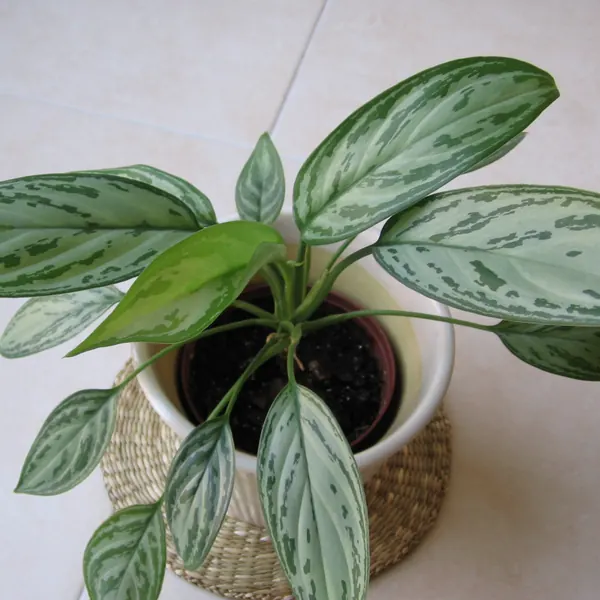 Photo: Digigalos / CC BY-SA 3.0, Wikimedia CommonsChinese EvergreenAglaonemaLow lightNot pet-safeEasy
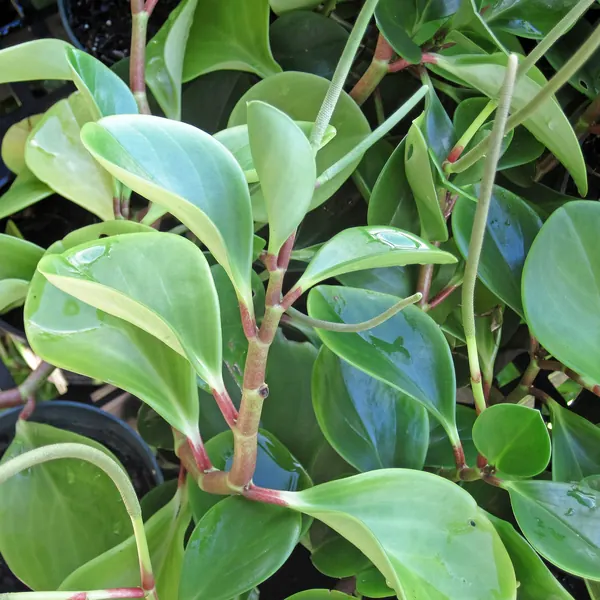 Photo: James St. John / CC BY 2.0, Wikimedia CommonsPeperomiaPeperomia obtusifolia and othersMedium lightPet-safeEasy
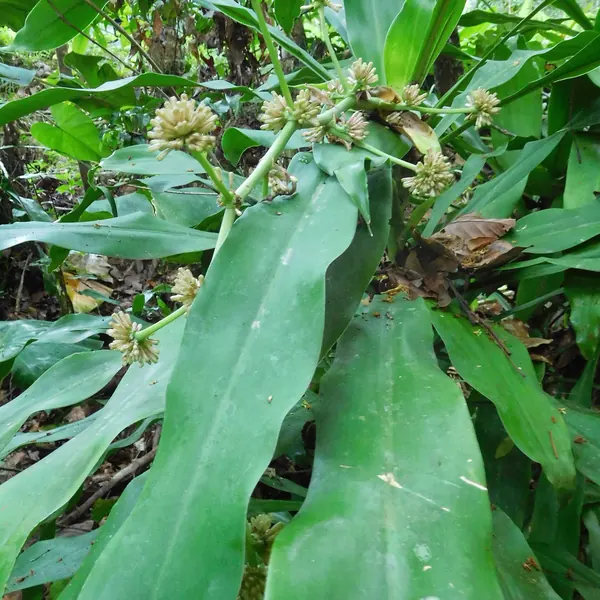 Photo: David J. Stang / CC BY-SA 4.0, Wikimedia CommonsDracaenaDracaena fragrans, D. marginata and othersMedium lightNot pet-safeEasy
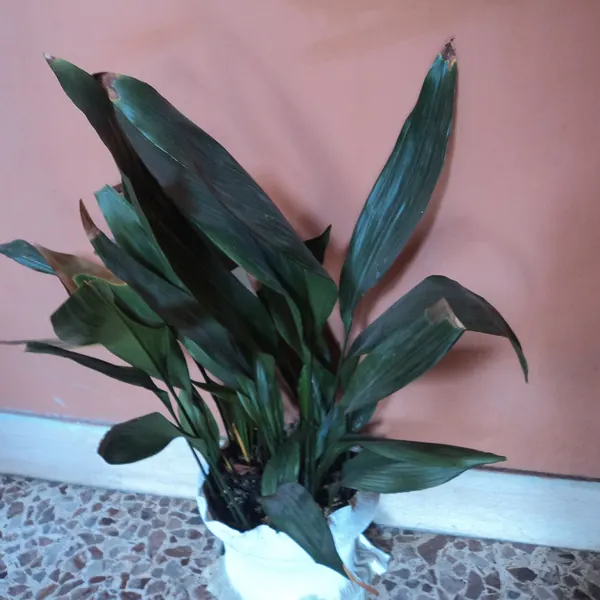 Photo: Nicholas Gemini / CC BY-SA 3.0, Wikimedia CommonsCast Iron PlantAspidistra elatiorLow lightPet-safeEasy
 Money TreePachira aquaticaMedium lightPet-safeEasy
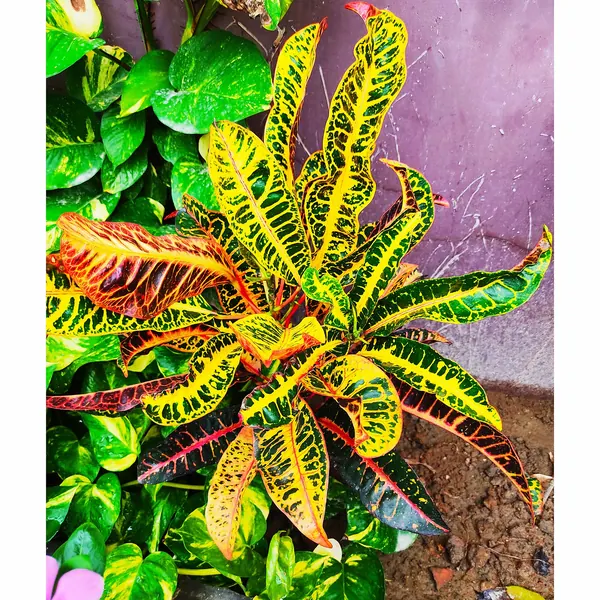 Photo: Contributers2020 / CC BY-SA 3.0, Wikimedia CommonsCrotonCodiaeum variegatumBright + some sun lightNot pet-safeModerate
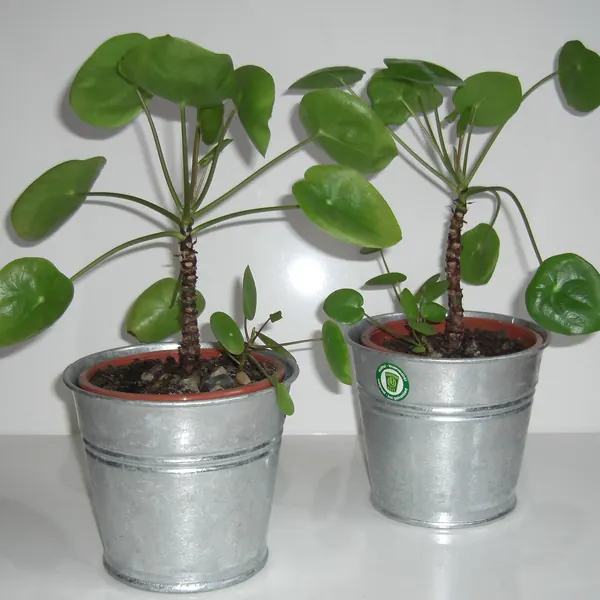 Photo: Pepe-MS / CC BY-SA 3.0, Wikimedia CommonsChinese Money PlantPilea peperomioidesBright indirect lightPets: checkEasy
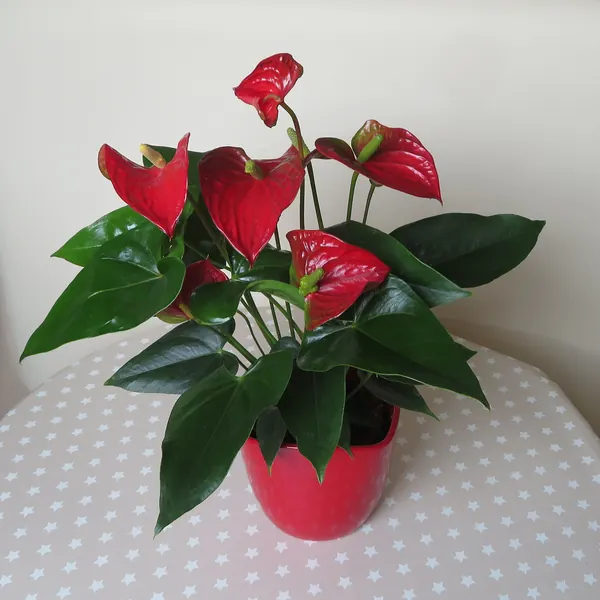 Photo: Sciencia58 / CC0, Wikimedia CommonsAnthuriumAnthurium andraeanumBright indirect lightNot pet-safeModerate
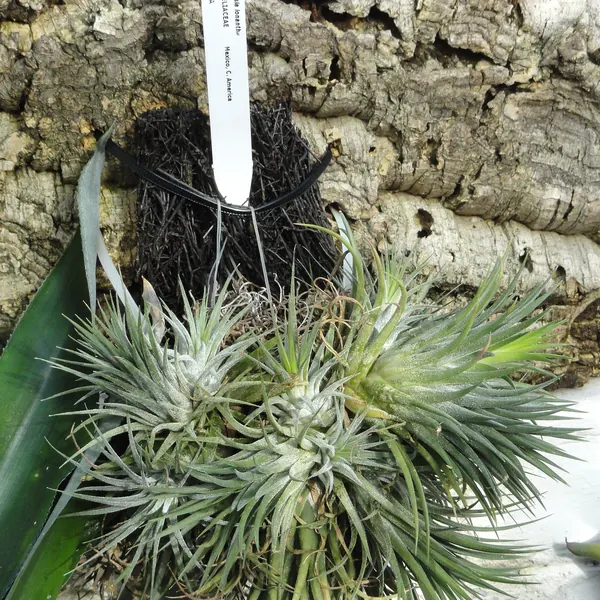 Photo: Daderot / CC0, Wikimedia CommonsAir PlantTillandsia spp.Bright indirect lightPets: checkEasy
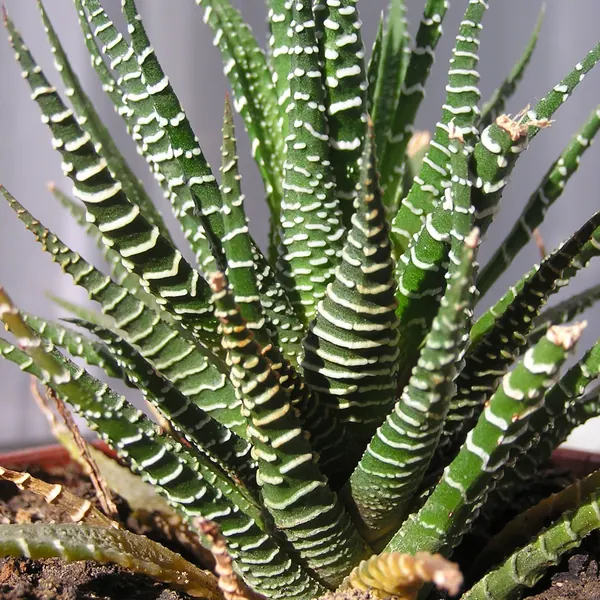 Photo: Andrey Butko / CC BY-SA 3.0, Wikimedia CommonsHaworthiaHaworthiopsis attenuata and Haworthia spp.Medium lightPet-safeEasy
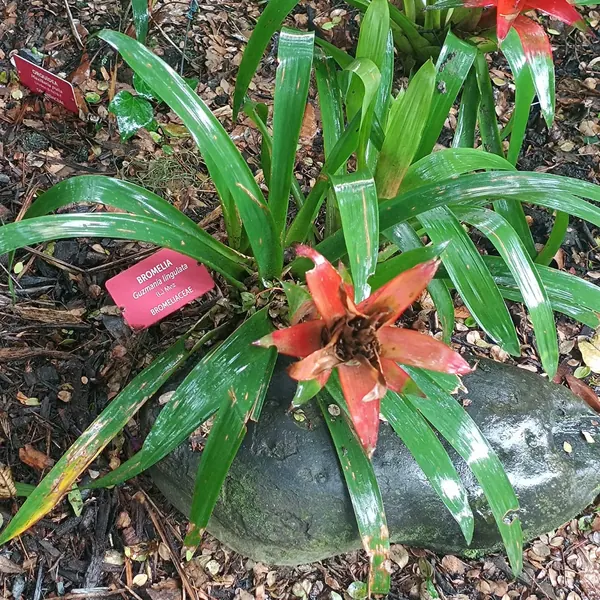 Photo: Nathaly 1106 / CC0, Wikimedia CommonsBromeliadGuzmania and other bromeliadsBright indirect lightPet-safeEasy
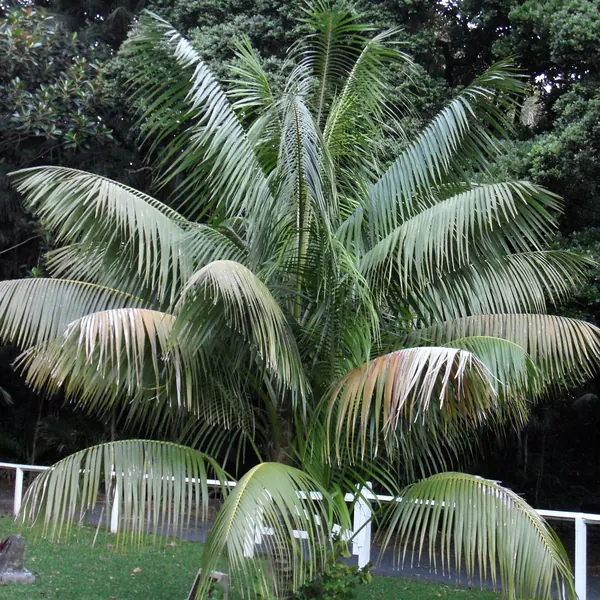 Photo: Granitethighs / CC BY-SA 3.0, Wikimedia CommonsKentia PalmHowea forsterianaMedium lightPet-safeEasy
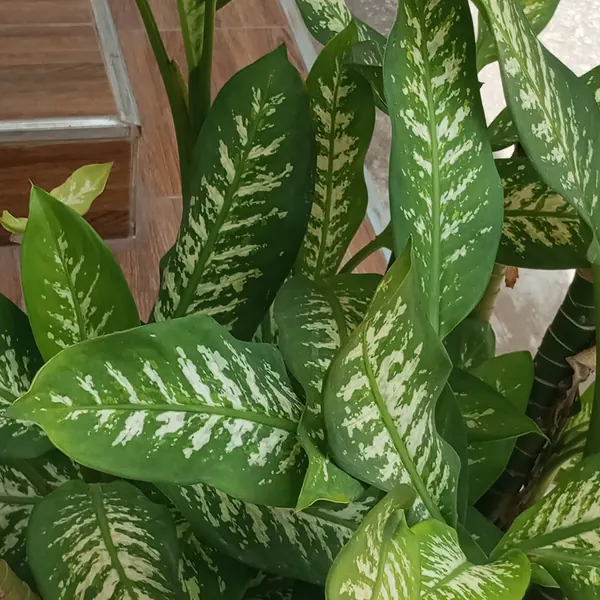 Photo: Grace789 / CC BY-SA 4.0, Wikimedia CommonsDieffenbachiaDieffenbachia seguineMedium lightNot pet-safeEasy
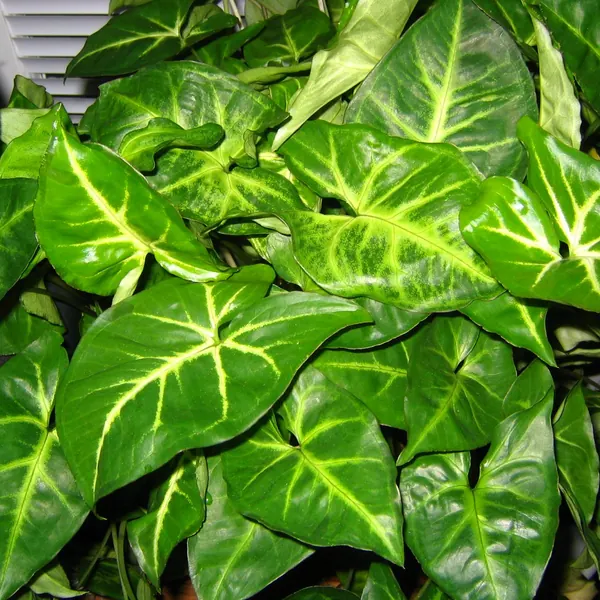 Photo: Unknown / CC BY-SA 3.0, Wikimedia CommonsArrowhead PlantSyngonium podophyllumMedium lightNot pet-safeEasy
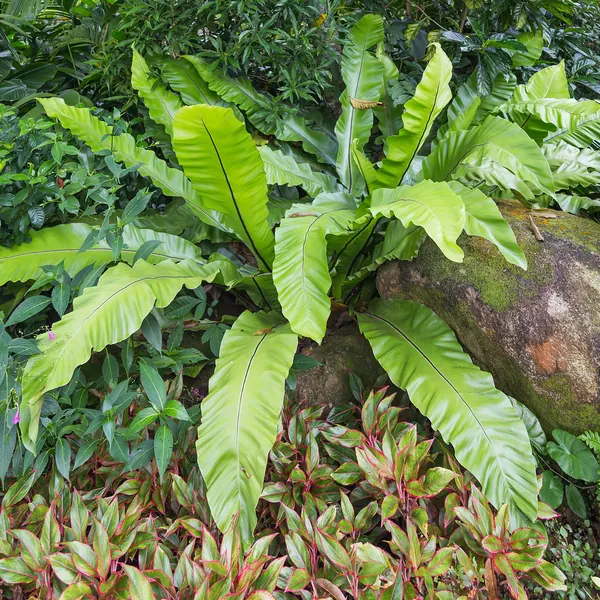 Photo: Marcin Konsek / CC BY-SA 4.0, Wikimedia CommonsBird's Nest FernAsplenium nidusMedium lightPets: checkEasy
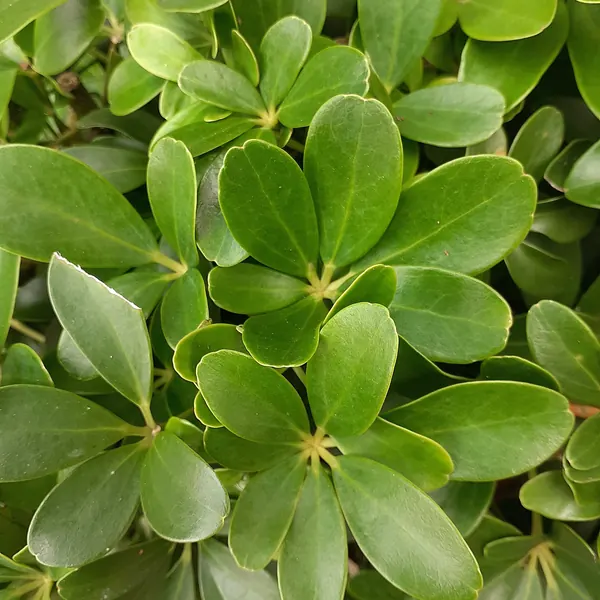 Photo: Fia Tunam Siwyh / CC BY-SA 4.0, Wikimedia CommonsUmbrella PlantHeptapleurum arboricolaBright indirect lightNot pet-safeEasy
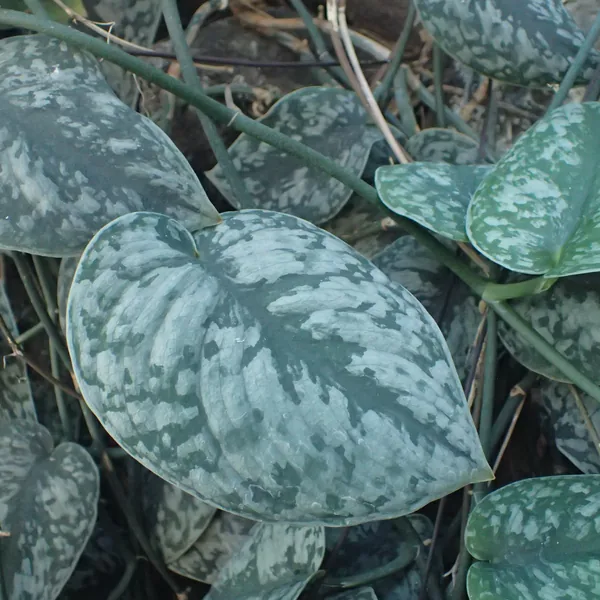 Photo: Krzysztof Ziarnek, Kenraiz / CC BY-SA 4.0, Wikimedia CommonsScindapsus Pictus (Satin Pothos)Scindapsus pictusMedium lightNot pet-safeEasy
| Plant | Light | Water | Pet-safe | Difficulty | Shops confirmed |
|---|---|---|---|---|---|
| Monstera | Bright indirect | When the top 2 in (5 cm) of soil is dry | No | Easy | 3 |
| Pothos | Medium | When the top 1-2 in of soil is dry | No | Easy | 5 |
| Snake Plant | Low | Only when soil is completely dry, every 2-6 weeks | No | Easy | 4 |
| ZZ Plant | Low | When soil is fully dry, every 2-4 weeks | No | Easy | 4 |
| Peace Lily | Medium | Keep lightly moist | No | Easy | 4 |
| Heartleaf Philodendron | Medium | When the top inch is dry | No | Easy | 4 |
| Philodendron Birkin | Bright indirect | When the top inch is dry | No | Moderate | 2 |
| Rubber Plant | Bright indirect | When the top 2 in is dry | No | Easy | 3 |
| Spider Plant | Medium | When the top inch is dry | Yes | Easy | 4 |
| Parlor Palm | Low | When the top inch is dry | Yes | Easy | 2 |
| Chinese Evergreen | Low | When the top inch or two is dry | No | Easy | 4 |
| Peperomia | Medium | When the top half of soil is dry | Yes | Easy | 2 |
| Dracaena | Medium | When the top 1-2 in is dry | No | Easy | 4 |
| Cast Iron Plant | Low | When the top 2 in is dry | Yes | Easy | 2 |
| Money Tree | Medium | When the top 2 in is dry | Yes | Easy | 4 |
| Croton | Bright + some sun | When the top 1/2 to 1 in of soil is dry | No | Moderate | 3 |
| Chinese Money Plant | Bright indirect | When the top half of the soil is dry | Not listed | Easy | 1 |
| Anthurium | Bright indirect | When the top 1-2 in of soil is dry | No | Moderate | 4 |
| Air Plant | Bright indirect | Soak or rinse at least once a week, then dry upside down | Not listed | Easy | 2 |
| Haworthia | Medium | When the soil is completely dry, every 2-4 weeks | Yes | Easy | 1 |
| Bromeliad | Bright indirect | Keep the soil lightly moist | Yes | Easy | 3 |
| Kentia Palm | Medium | When the top 2 in of soil is dry | Yes | Easy | 0 |
| Dieffenbachia | Medium | When the top 1-2 in is dry | No | Easy | 1 |
| Arrowhead Plant | Medium | When the top 1 in of soil is dry | No | Easy | 4 |
| Bird's Nest Fern | Medium | When the top 1 in of soil is dry | Not listed | Easy | 4 |
| Umbrella Plant | Bright indirect | When the top 1-2 in is dry | No | Easy | 1 |
| Scindapsus Pictus (Satin Pothos) | Medium | When the top 1-2 in of soil is dry | No | Easy | 1 |
Each plant's buying guide lists the shops we have confirmed currently stock it, with what each shop is best for. For shipping and guarantee terms side by side, see Online plant shop policies compared. To compare the shops themselves by reviews, see the best places to buy plants online.
by Hilton Carter
A plant-styling book about designing rooms around plants, including big statement plants.
View on AmazonBook links go to the book’s Amazon page; check the price and format there. No publisher or author paid to be included. As an Amazon Associate we earn from qualifying purchases. Disclosure.