
Guide
Grow Lights for Indoor Plants: A Buying Guide
By the Plantshop.com Editorial Team · Updated · How we research · Report an error
A grow light is the single most useful thing you can buy for a dim home. It lets you keep a fiddle-leaf fig, olive tree or bonsai alive away from the window, and it stops low-light plants stretching in winter. Here is how to choose one without paying for features you do not need.
Do your plants need a grow light?
- Probably yes if your plants lean hard towards the window, grow long pale stems, lose variegation or drop leaves in winter.
- Almost certainly yes for sun-lovers kept indoors, such as an indoor olive tree, croton or indoor bonsai, unless they sit in an unobstructed south or west window.
- Probably not for low-light plants like the snake plant or ZZ plant in a bright room. Not sure how bright your spot is? Use our light guide.
Types of grow light
| Type | Best for | Search |
|---|---|---|
| Screw-in bulb | One plant under an existing floor or desk lamp. Check the lamp can be aimed at the plant. | Grow light bulbs |
| Clip-on light | One or two small plants on a desk or shelf edge; pick one with an adjustable neck or arm so you can set the distance. | Clip-on grow lights |
| Bar or strip light | Shelves, cabinets and plant stands: mount under the shelf above, close to the leaves. | Grow light bars |
| Panel light | A group of plants or a large plant: higher output that covers a wider area, usually hung above. | Grow light panels |
Amazon buttons open a search, not a specific product; we have not tested these lights and do not quote prices. As an Amazon Associate we earn from qualifying purchases. Disclosure.
What to look for when buying a grow light for plants
- LED. University of Minnesota Extension lists LEDs as very energy efficient, long-lasting, wide-spectrum and not producing much heat; their downside is a higher up-front cost. Incandescent bulbs are energy inefficient, create heat and their high far-red light makes plants stretch.
- White or balanced spectrum. Grow lights are usually labeled blue, red or white/balanced. White or balanced lights suit most plants at any stage; blue suits non-flowering houseplants; red helps flowering plants form buds (UMN Extension). White light also looks natural in a living room.
- A real light-output figure, not just watts. Watts measure energy used, not light. Look for PPF or PPFD (plant-usable light, in µmol/m²/s); lumens measure brightness to the human eye and are less relevant for plants (UMN Extension). PPFD drops as the light moves further from the plant.
- A timer, built in or a plug-in outlet timer. Plants need a dark period; Iowa State Extension recommends plugging all supplemental lights into a timer.
- Adjustable height. A light on a chain, arm or clip lets you keep the right distance as plants grow (Iowa State Extension).
How far away, and how long
| Plants | Distance from light | Hours of light per day |
|---|---|---|
| Foliage houseplants | 12-24 in | 12-14 |
| Flowering houseplants | 6-12 in | 14-16 |
| Herbs (hydroponic) | 6-12 in | 12-14 |
| Seedlings | 4-6 in | 16-18 |
Figures from University of Minnesota Extension; total light hours include natural light. Iowa State Extension notes most LEDs can sit 12-24 in from the foliage, and that lights should be on no more than 16 hours a day. Watch the plant: UMN describes long, thin, stretching stems and pale leaves as signs of too little light, and scorched or bleached leaves as too much. Outlet timers on Amazon
Which plants benefit most
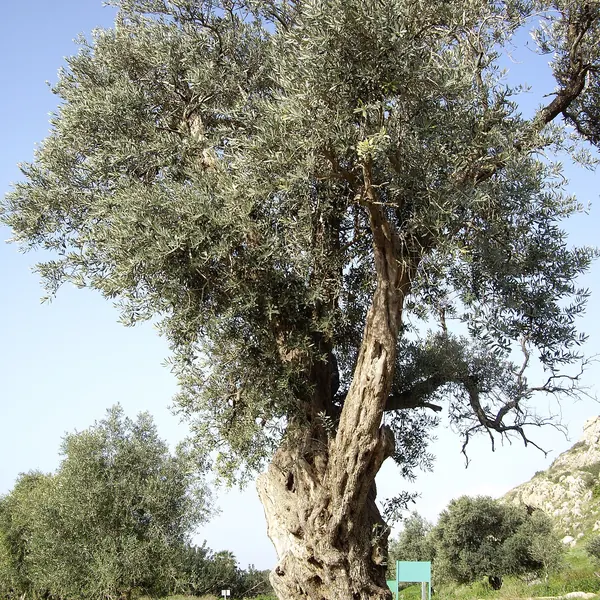 Photo: Acabashi / CC BY-SA 4.0, Wikimedia CommonsOlive TreeOlea europaeaBright + some sun lightPets: checkChallenging
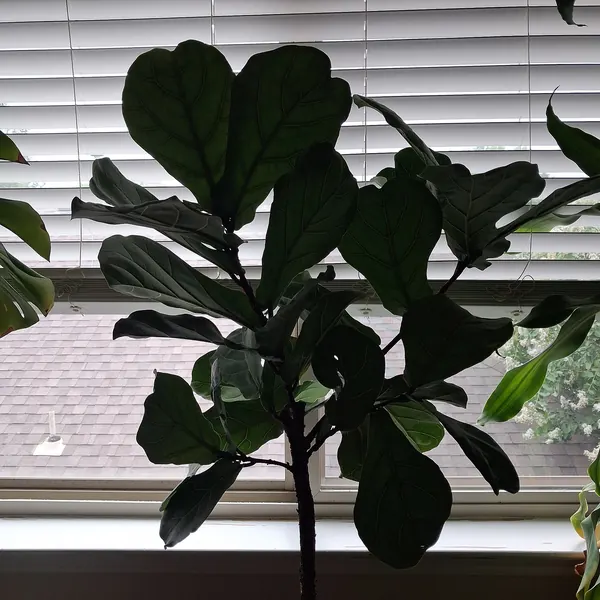 Photo: Ranch9613 / CC0, Wikimedia CommonsFiddle Leaf FigFicus lyrataBright indirect lightNot pet-safeChallenging
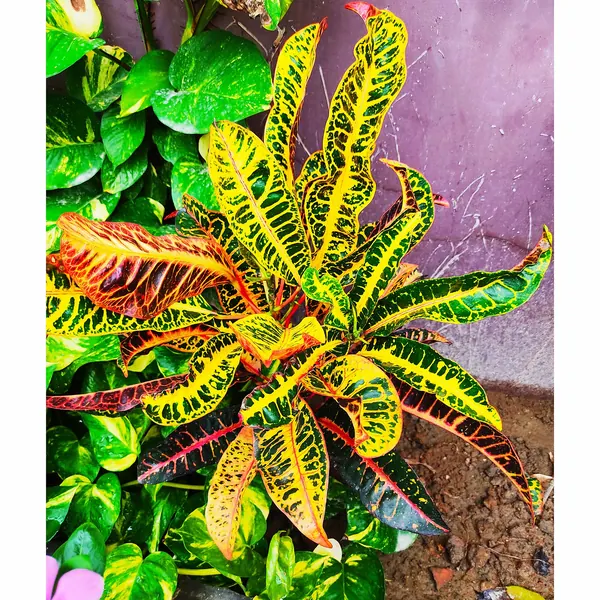 Photo: Contributers2020 / CC BY-SA 3.0, Wikimedia CommonsCrotonCodiaeum variegatumBright + some sun lightNot pet-safeModerate
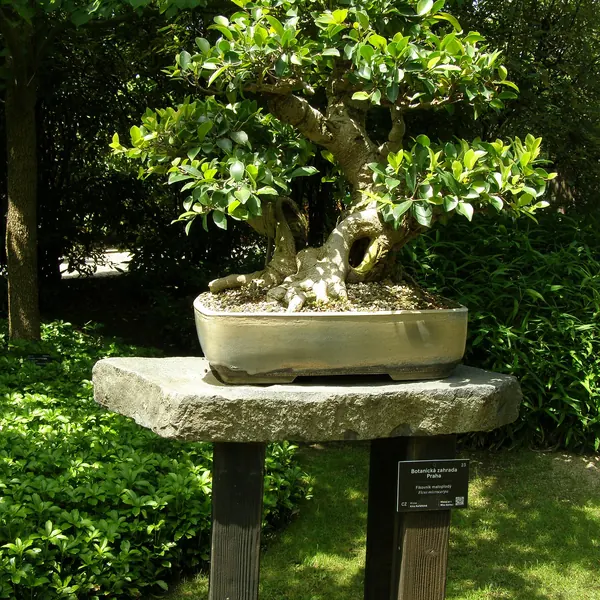 Photo: Ragesoss / CC BY-SA 3.0, Wikimedia CommonsIndoor Bonsai TreeUsually FicusBright + some sun lightNot pet-safeModerate
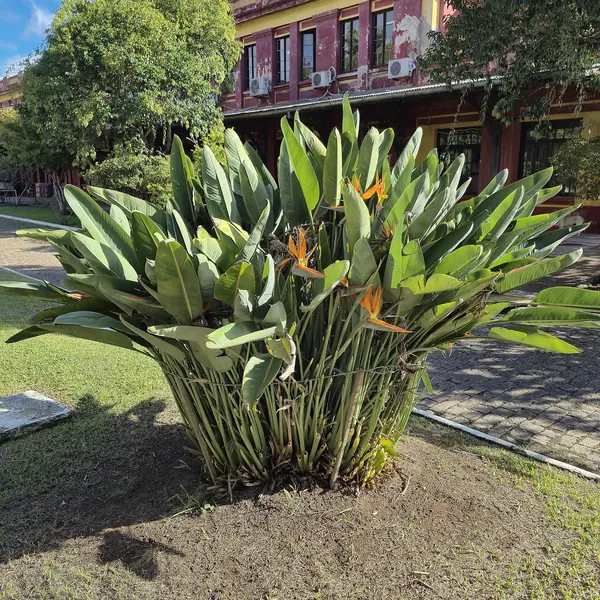 Photo: DocDaysleeper / CC BY-SA 4.0, Wikimedia CommonsBird of ParadiseStrelitzia reginae / S. nicolaiBright + some sun lightNot pet-safeModerate
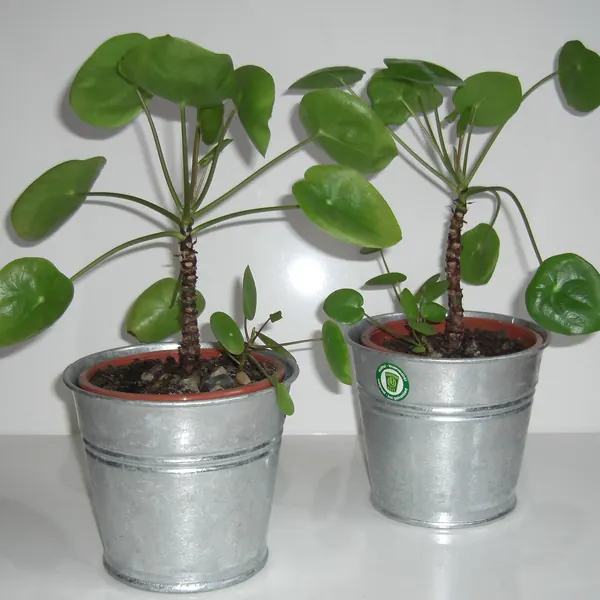 Photo: Pepe-MS / CC BY-SA 3.0, Wikimedia CommonsChinese Money PlantPilea peperomioidesBright indirect lightPets: checkEasy
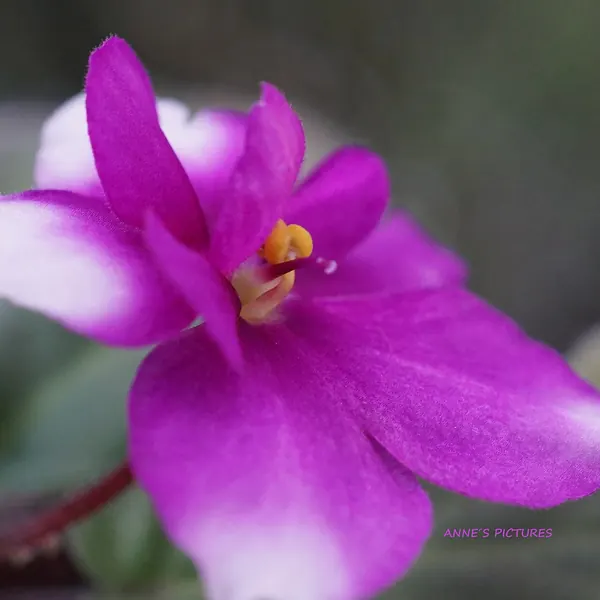 Photo: ANNE LOTTE / CC BY 2.0, Wikimedia CommonsAfrican VioletSaintpaulia spp.Bright indirect lightPet-safeModerate
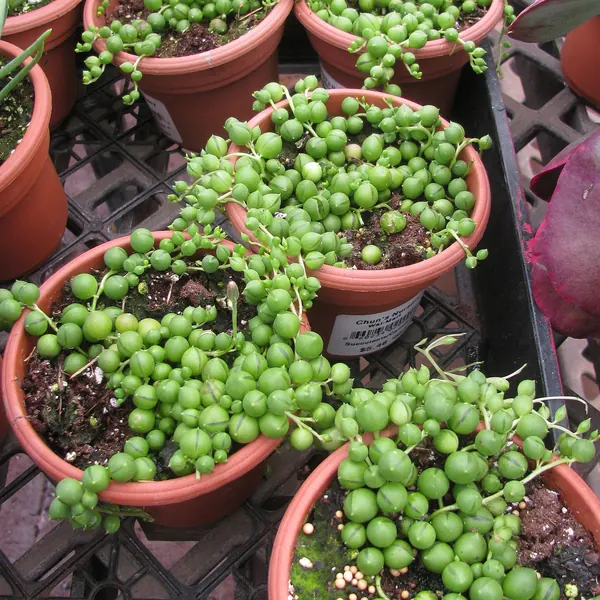 Photo: Flickr user Forest and Kim Starr / CC BY 2.0, Wikimedia CommonsString of PearlsCurio rowleyanusBright indirect lightNot pet-safeModerate
What growers on Reddit say
r/houseplants has recurring "which grow light?" threads. Screw-in bulbs for existing lamps and LED shelf bars are the setups mentioned most, with premium pendant lights a pricier option. Read them yourself: What are the best grow lights you recommend?, Best grow lights for a room full of house plants?, Grow lights: what's your favorite?
Where to buy a grow light
The Amazon searches above cover each type. The listings below are from plant shops we have verified.
We list a shop only after confirming the listing (checked 21 Oct 2026). We have not tested any grow light and do not quote prices. More shops, including Soltech, will be added once verified. Disclosure.
The Sill
Listing we found: Versa Tabletop Grow Light (checked 21 Oct 2026)
A small, plug-in tabletop light for one or two plants on a desk or shelf. We have not tested its output, so check the product page for spectrum and wattage.
Recommended book
The New Plant Parent
by Darryl Cheng
Teaches houseplant care by observing light and how a plant responds, which pairs well with choosing a grow light.
View on AmazonBook links go to the book’s Amazon page; check the price and format there. No publisher or author paid to be included. As an Amazon Associate we earn from qualifying purchases. Disclosure.