
Plant Library
Snake Plant Care Guide
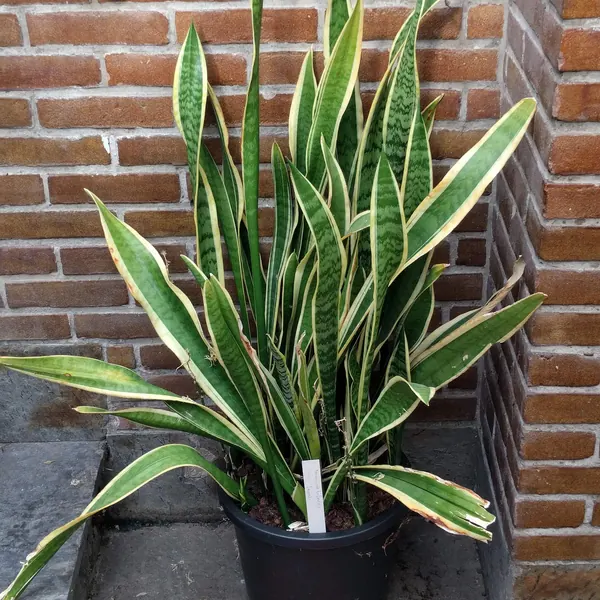
Dracaena trifasciata (syn. Sansevieria)
By the Plantshop.com Editorial Team · Updated · How we research · Report an error
Upright, architectural and almost impossible to underwater, the snake plant is the go-to plant for dim rooms and forgetful owners.
Buy a snake plant 4 verified shops, checked 21 Oct 2026
Amazon links open an Amazon search, not a specific product we have tested; prices and sellers vary. As an Amazon Associate we earn from qualifying purchases. Disclosure.
Plant profile
- Light
- Low to bright light; tolerates some direct sun
- Water
- Only when soil is completely dry, every 2-6 weeks
- Humidity
- Low to average
- Pets
- Toxic to cats and dogs (ASPCA) [ASPCA]
- Difficulty
- Easy
- Size
- 1-4 ft tall
- Growth
- Slow
Thanks, you are on the list! Open the calendar →
Watch a care walkthrough
Optional video. Written steps above still cover light, water and problems.
Video: Snake Plants - Complete Care - Houseplant Basics - Low Maintenance · Plant Vibrations with Devin Wallien on YouTube · reviewed 2026-11-06. Loads from YouTube only after you press play.
Light
Low to bright light; tolerates some direct sun. Rotate the pot every few weeks so growth stays even.
Water
Only when soil is completely dry, every 2-6 weeks. Always use a pot with drainage holes and empty the saucer after watering. Plants use far less water in winter.
Humidity and temperature
Humidity: low to average. Most houseplants prefer 60-80°F (16-27°C) and dislike cold drafts and heating vents.
Soil and feeding
Use a well-draining potting mix with extra grit or perlite. Feed lightly in spring and summer with a balanced houseplant fertilizer at half strength; skip feeding in winter.
Our tip
Use a gritty cactus mix and a heavy pot; tall plants tip easily.
Common problems
- Mushy base: Root rot from overwatering. Cut away soft parts and repot dry.
- Wrinkled leaves: Very dry for too long; water deeply once.
- Leaves falling over: Too little light or overwatering.
Pets
Toxic to cats and dogs (ASPCA), according to the ASPCA plant list. If a pet chews it and shows symptoms, call your vet or the ASPCA Animal Poison Control Center. Check any plant in our Pet-Safe Plant Checker.
Ready to buy a snake plant? Compare the shops we verified, or search Amazon.
Amazon links open an Amazon search, not a specific product we have tested; prices and sellers vary. As an Amazon Associate we earn from qualifying purchases. Disclosure.
Free download
Free 12-month plant care calendar
Keeping a snake plant happy all year? Get our free month-by-month calendar: when to water less, when to feed, when to repot, and the seasonal notes for all 71 plants in our library.
Thanks, you are on the list! Your free calendar is ready: Open the 12-month plant care calendar →
Privacy policy — how we store emails for the calendar list.
Recommended reading
How Not to Kill Your Houseplant (New Edition)
by Veronica Peerless
Survival tips for the “horticulturally challenged”, covering 119 popular houseplants. A good first book.
View on AmazonFor the Love of Houseplants
by Tanner Mitchell
Care profiles for 30 popular houseplants (2026), written for keeping plants with confidence.
View on AmazonBook links go to the book’s Amazon page; check the price and format there. No publisher or author paid to be included. As an Amazon Associate we earn from qualifying purchases. Disclosure.