
Plant Library
Pothos Care Guide
Epipremnum aureum
By the Plantshop.com Editorial Team · Updated · How we research · Report an error
Pothos is the most forgiving trailing plant you can buy. It tells you when it is thirsty by drooping, then perks up within hours of watering. In India it is often called money plant.
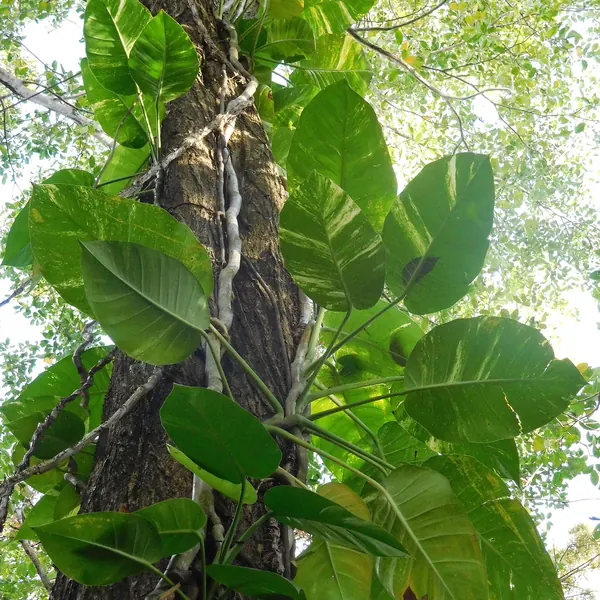
Plant profile
- Light
- Low to bright indirect light
- Water
- When the top 1-2 in of soil is dry; leaves droop when thirsty
- Humidity
- Average
- Pets
- Toxic to cats and dogs (ASPCA) [ASPCA]
- Difficulty
- Easy
- Size
- Trailing vines 6-10 ft
- Growth
- Fast
Light
Low to bright indirect light. Rotate the pot every few weeks so growth stays even.
Water
When the top 1-2 in of soil is dry; leaves droop when thirsty. Always use a pot with drainage holes and empty the saucer after watering. Plants use far less water in winter.
Humidity and temperature
Humidity: average. Most houseplants prefer 60-80°F (16-27°C) and dislike cold drafts and heating vents.
Soil and feeding
Use a well-draining potting mix with bark or perlite for air. Feed lightly in spring and summer with a balanced houseplant fertilizer at half strength; skip feeding in winter.
Our tip
Trim leggy vines just below a leaf node and root the cuttings in water to fill out the pot.
Common problems
- Leggy vines: Too little light; trim and move brighter.
- Yellow leaves: Overwatering or a pot without drainage.
- Losing variegation: Low light; variegated types need brighter spots.
Pets
Toxic to cats and dogs (ASPCA), according to the ASPCA plant list. If a pet chews it and shows symptoms, call your vet or the ASPCA Animal Poison Control Center. Check any plant in our Pet-Safe Plant Checker.
Ready to buy? See sizes, what to check and which shops list it.
Buy a pothos online